Latest On NBA Legends
Latest News
“You’re a Winner”: Angel Reese Earns Big Praise From 3x NBA Sixth Man of the Year as She Nears Historic Dream With Atlanta
1 week ago
“I Still Call Him a Snitch”: Nick Young Reopens Feud With D’Angelo Russell Over Exposing His Cheating Scandal
1 week ago
J.R. Smith Faces New Restriction After Alleged Assault as Judge Bars Contact With Accuser
1 week ago
NBA Fans Divided as A’ja Wilson’s Historic 5th MVP Still Isn’t Enough to Join Michael Jordan, Bill Russell in GOAT Talk
1 week ago
“Can I Sue?”: Ex-Lakers Star Fears for Safety After Donald Trump’s Chilling Comment On Los Angeles
1 week ago
Most Loved Stories
More on NBA Legends
“It’s Sad”: Stephen A. Smith Reacts to Iman Shumpert’s $25M Divorce Fallout That Left Him Homeless
Stephen A. Smith reacts to NBA champion Iman Shumpert’s $25M divorce fallout and legal battle with Teyana Taylor.
Fired Mavs Coach Jason Kidd Set to Take Up Major Role at ESPN Ahead of New Season
Former Dallas Mavericks coach Jason Kidd linked with ESPN years after stating his intentions on a broadcasting career.
“Got Punched by Michael Jordan”: Steve Kerr’s Infamous Moment Returns on Live TV During Warriors-Clippers
A Warriors-Clippers commentator unexpectedly revived Steve Kerr’s infamous Michael Jordan punch, bringing the story back into the spotlight.
“All I Think About Is Basketball”: Britney Spears Makes Surprising Michael Jordan & Kobe Bryant Confession
Pop star Britney Spears makes a surprising confession about NBA legends Michael Jordan and the late Kobe Bryant
Major Decision on ‘Inside the NBA’ Emerges Ahead of Charles Barkley’s Retirement
NBA icon Charles Barkley gets a schedule update for Inside the NBA and ESPN amid Hall of Famer's retirement calls.
Kenny Smith Could Go From Inside the NBA to Las Vegas Team Owner, Stephen A. Smith Makes Bold Claim
NBA legend and analyst Kenny Smith could go from Inside the NBA to Las Vegas team owner, Stephen A. Smith says in a bold claim on National TV
“Feeling Violated”: DeMarcus Cousins Makes Shocking Allegations Against Kings After Hot Mic Incident
After Ben Simmons and Zach LaVine's hot mic controversy, DeMarcus Cousins speaks on his "uneasy" media moment.
“Punch Him In The Face”: Shaquille O’Neal Takes Shot At Charles Barkley After $3 Billion Company Partnership
NBA legend Shaquille O'Neal takes a shot at co-host Charles Barkley after a recent $3 billion company partnership
Shaquille O’Neal Claims EuroLeague Is “A Little Bit Better” Than NBA After Nikola Jokic’s Challenge
Hall of Famer Shaquille O’Neal claims that the EuroLeague is “a little bit better” than the NBA after Nikola Jokic’s challenge
NBA Columnist Draws Michael Jordan Comparison for Caleb Wilson: “I’ve Been Covering the Bulls Longer Than You’ve Been Alive”
A longtime columnist praises Bulls rookie Caleb Wilson and makes a comparison with Chicago legend Michael Jordan.
Ex-NBA Star Calls Out Linda Cohn After A’ja Wilson’s Heroics vs. Caitlin Clark in WNBA Playoffs
A’ja Wilson dominates Caitlin Clark and the Fever, prompting a former NBA star to troll Linda Cohn over her controversial comments.
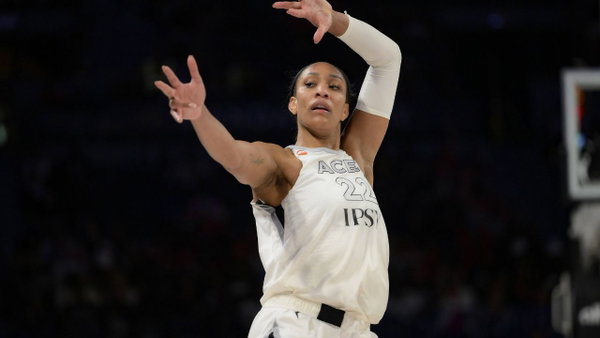
“When It’s Hot, You Got to Milk It”: WNBA Failed to Capitalize Caitlin Clark on Her Arrival, Says Ex-Clippers
The former Los Angeles Lakers star said the WNBA missed its chance to capitalize on Caitlin Clark’s arrival.
Charles Oakley Exposes NBA’s Behind-the-Scenes Effort to Shape Michael Jordan’s Image: “It’s a Lot of Sneaky Stuff”
Charles Oakley reveals how the NBA and media shaped Michael Jordan’s image, including the controversial treatment of his father.
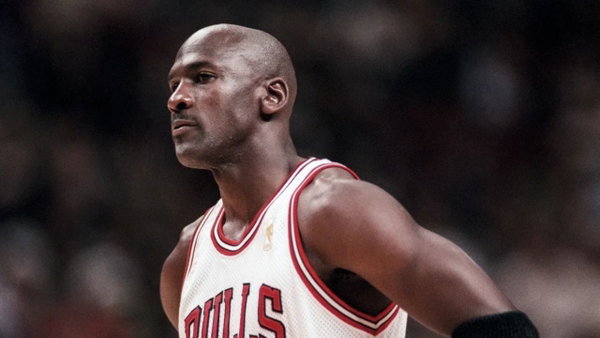
Charles Barkley Says Kevin Durant’s Leadership Is the Reason Why Rockets Have No Chance Against Spurs or Thunder
Charles Barkley questions Rockets' title chances, pointing to Kevin Durant’s leadership as a key concern against the Spurs and Thunder.
“I Respectfully Ask the Court…”: Ex-Heat Star’s Mother Makes Desperate Plea to Save His NBA Career Amid Restrictions With 4 Teams
Terry Rozier’s NBA comeback faces another legal hurdle as his mother makes an emotional plea to the court amid his ongoing federal case.
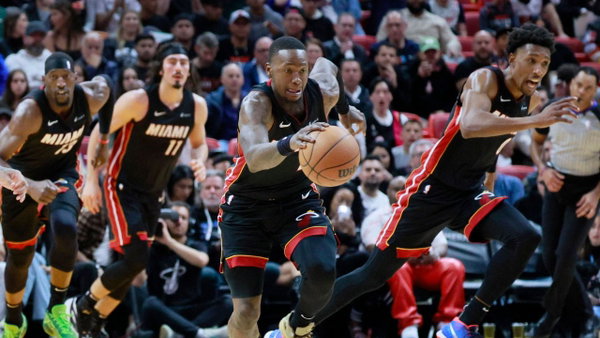
“RIP Legend”: Tributes Pour in as NBA’s First-Ever MVP Bob Pettit Dies at 93
Fans took to social media to celebrate HOFer, NBA icon and its first-ever MVP, Bob Pettit, who passed away at 93.
“Give That Badge Back”: NFL Legend Urges Shaquille O’Neal to Relinquish FBI Honor
NFL Legend urges four-time NBA champion and LA Lakers legend Shaquille O’Neal to relinquish his now controvesial FBI Honor
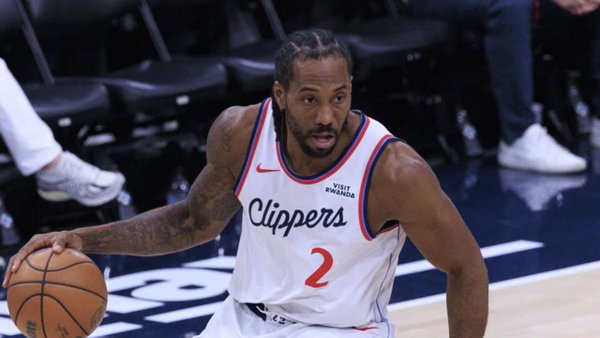
“You Cold…Real Ninja Award”: Kawhi Leonard’s Ex-Teammate Has Suspicious Reaction to His $115M Raptors Deal
Kawhi Leonard's former Clippers teammate had a unique reaction after 7x All-Star signs a new contract with the Raptors.
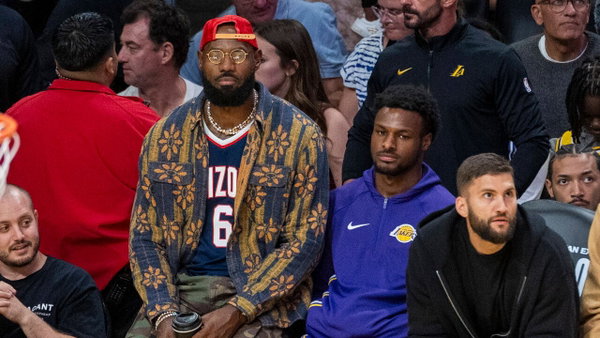
LeBron James “Destroyed” Dalton Knecht’s Career for Bronny, Says Kwame Brown — Names VJ Edgecombe as Next Victim
Former NBA star Kwame Brown revisits LeBron James’ impact on Dalton Knecht and warns VJ Edgecombe about his future.
“Bunch of B*ms in the Hall of Fame”: Ex-Clippers Star Responds to Tracy McGrady as MVP Debate Escalates Into Personal Feud
A former LA Clippers star fires back at Hall of Famer Tracy McGrady after their MVP debate turns personal.
Michael Jordan Fans Mock LeBron James After His NFL Post for Multi-Billion Dollar Brand Faces Backlash
Michael Jordan fans take aim at LeBron James after his latest ad sparks backlash over his reported $15M deal.
“Magic [Johnson], Call Me”: Lisa Leslie Sends Message to Lakers Legend at Her Statue Unveiling for a Huge Favor
After unveiling her bronze statue outside Crypto.com Arena, Lisa Leslie teased a potential business union with Magic Johnson in the WNBA.
Raptors’ Kyle Lowry Statue Slammed by Fans for Multiple Errors
Not just over its design, Kyle Lowry’s Raptors statue sparks fan reactions as Toronto celebrates the franchise legend.
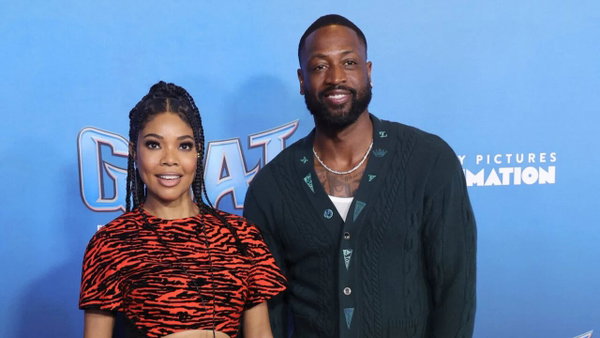
“He’s Not a Drinker”: Gabrielle Union Passionately Talks Nebraska Cornhuskers Experience With Dwyane Wade
While talking about her beloved Cornhuskers, Gabrielle Union shared how her husband, Dwyane Wade, embraced the support.
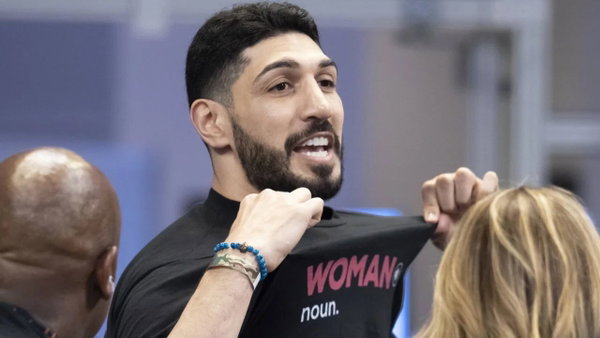
“Put On No Wigs”: Ex-Laker Warns Enes Kanter and Royce White for Disrespecting WNBA
Enes Kanter Freedom and Royce White face more scrutiny about their WNBA eligibility from former NBA stars.
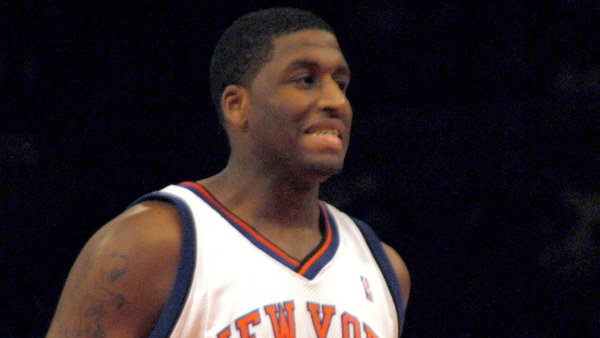
“Deeply Saddened”: Prayers Pour In After Knicks Legend Michael Sweetney’s Passing at 43
The Knicks and basketball world mourn Michael Sweetney’s passing at 43 as heartfelt prayers and tributes pour in for the beloved former star.
About NBA Legends
The NBA didn’t grow because of systems or rulebooks. It grew because people got attached to the players. Fans didn’t tune in for teams at first. They tuned in for names. George Mikan was one of the first because nobody had seen someone that big dominate like that. Then came Bill Russell, who somehow made winning feel routine. Wilt Chamberlain followed and broke the idea of what numbers were supposed to look like. From there, it never stopped. Every era found its stars, and those stars became the league’s memory. That’s really what NBA legends are. They’re the memories that stick.
Who Are Considered NBA Legends?
So what actually qualifies someone as an NBA legend? It’s not just being really good for a few years. Plenty of players did that. Legends are the ones people still talk about without needing context. For example, Bill Russell is remembered because he won, over and over, even when he wasn’t the best scorer. Kareem Abdul-Jabbar became legendary because his game aged better than anyone else’s.
Michael Jordan earned it by delivering in the biggest moments so often that it stopped feeling surprising. Kobe Bryant’s legend came from obsession and reinvention, not smooth success. LeBron James became one by carrying expectations that would have crushed most players and somehow still winning. A legend lasts, matters, and changes conversations.
Who Are the NBA Legends by Era? From Pre-Merger to the Modern Game
Every era creates a different type of legend. Early on, the league was simple and physical, which is why George Mikan stood out so much. The 1960s were about dominance through teamwork, and nobody embodied that like Bill Russell and the Boston Celtics, even while Wilt Chamberlain was rewriting record books by himself. The 1970s felt messy, but players like Kareem Abdul-Jabbar, Julius Erving, and Moses Malone carried the league through change.
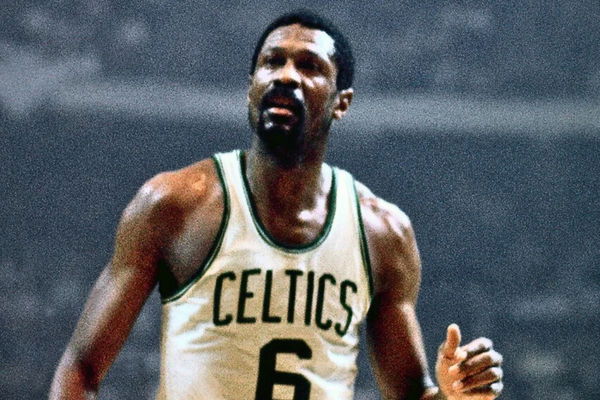
Then the 1980s hit, and everything felt alive again. Magic Johnson and Larry Bird didn’t just win; they made people care. The 1990s belonged to Michael Jordan and the Chicago Bulls, and honestly, it felt like the league revolved around one player. The 2000s shifted toward power and isolation, with Shaquille O’Neal and Kobe Bryant defining that stretch. Today’s era is faster and more open, led by LeBron James, Stephen Curry, Kevin Durant, and Giannis Antetokounmpo, players expected to do everything.
Who Are the Most Influential NBA Legends of All Time?
The most influential? Let’s not overthink it. Michael Jordan is the answer. He changed how athletes were viewed, marketed, and copied. Shaquille O’Neal influenced the league by forcing teams to react to him, not the other way around. Kobe Bryant influenced mindset more than play style, making obsession sound normal.
LeBron James influenced power, showing players they didn’t have to stay quiet or loyal at their own expense. Magic Johnson influenced creativity, making passing exciting. Larry Bird influenced confidence and toughness. Stephen Curry influenced how kids play basketball today, pulling up from distances that used to get benched. Influence shows up in imitation, and these players created generations of it.
Which NBA Legends Changed the Game Forever?
Some players didn’t just fit into the league. They forced it to change. Wilt Chamberlain was so dominant that the league rewrote rules around him. Bill Russell proved that defense could be the most valuable skill on the floor. Kareem Abdul-Jabbar created a shot that outlived athleticism.
Magic Johnson erased strict positions just by being himself. Shaquille O’Neal brought brute force back when finesse seemed to be winning. Stephen Curry bent spacing until defenses stopped making sense. These players didn’t tweak basketball. They shifted it.
Which NBA Legends Have Won the Most Championships?
Championships still matter, no matter how much people argue otherwise. Bill Russell’s eleven rings sit alone because nobody has come close since. Michael Jordan’s six championships, all Finals wins, are why his name still ends debates. Kareem Abdul-Jabbar’s six titles spanned different eras and roles, which says a lot.
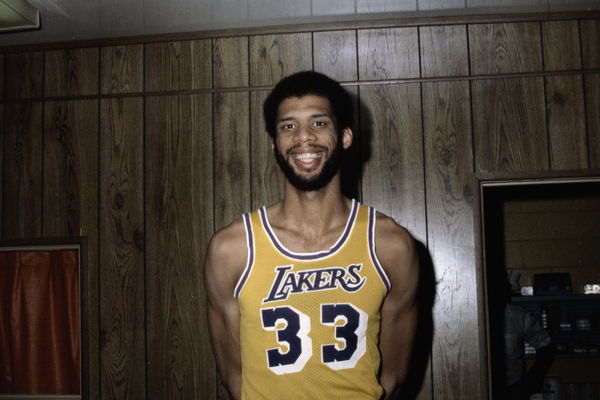
Magic Johnson won five while making it look fun. Kobe Bryant’s five championships tell a longer story of patience and growth. Tim Duncan’s five rings came quietly, which somehow fits him perfectly. Rings aren’t everything, but they’re nothing.
NBA Legends With the Most Individual Awards
Awards exist for a reason. Kareem Abdul-Jabbar winning six MVPs wasn’t hype. It was recognition of sustained dominance. Michael Jordan’s MVPs and Finals MVPs came when everyone knew what was coming and still couldn’t stop it. LeBron James won MVPs because he controlled games in too many ways to ignore. Defensive legends like Bill Russell, Dikembe Mutombo, Dennis Rodman, and Ben Wallace proved scoring wasn’t the only path to greatness. All-NBA selections rewarded players who refused to fade, like Kobe Bryant, Tim Duncan, Karl Malone, and Shaquille O’Neal. These awards didn’t make them legends. They confirmed it.
What Are the Greatest NBA Rivalries Featuring All-Time Legends?
Legends become clearer when they have someone pushing back. Magic Johnson and Larry Bird didn’t just compete; they revived the league together. Michael Jordan’s battles with the Pistons taught him how hard winning actually was. Shaquille O’Neal and Tim Duncan went at each other with strength and patience, not noise. LeBron James and Stephen Curry faced each other often enough to define a generation. Rivalries give legends context. Without them, the stories feel unfinished.
Which NBA Legends Are Inducted Into the Basketball Hall of Fame?
The Hall of Fame is where arguments slow down. Bill Russell, Kareem Abdul-Jabbar, Magic Johnson, Larry Bird, Michael Jordan, Kobe Bryant, Shaquille O’Neal, Tim Duncan, and LeBron James are there because the league’s story doesn’t work without them. George Mikan and Bob Cousy laid the foundations. Dirk Nowitzki, Kevin Garnett, and Dwyane Wade expanded what stars could be. Hall of Fame status doesn’t mean perfection. It means importance.
From the NBA’s beginnings in the 1940s, stars have always driven the league forward. The Celtics set standards in the 1960s. The ABA merger brought creativity. Magic and Bird brought belief back. Jordan brought global attention. The modern era keeps pushing boundaries. NBA.com profiles these legends because they didn’t just play basketball. They shaped how it’s remembered.